Portfolio Briefing – Third Quarter 2026

– Lydia So explains how the Growth and Income Fund’s performance drivers differed from those of the EM benchmark, and introduces two new holdings in Malaysia. Kate Jaquet notes that the Fund’s broad South Korean exposure helped mitigate volatility in Korean technology stocks. Lydia describes how Seafarer’s bottom-up approach balances participation in AI-related growth with the pursuit of other diversified sources of return.
MorePortfolio Briefing – Third Quarter 2026

– Brent Clayton explains that Value Fund performance reflected a diverse set of company-specific drivers, in contrast to the EM benchmark’s growing concentration in technology. He and Paul Espinosa discuss new investments in Greece and the Philippines. Paul describes how the Value team is finding opportunities in markets the benchmark is leaving behind, guided by price and Seafarer’s seven sources of value.
MoreThe Breadth of Emerging Market Earnings Growth in 2026


– The “lost decade” in EM is over, and a broad-based earnings boom is underway. This is not just an AI-driven tech-fueled earnings surge – other EM sectors and a wide array of countries are seeing meaningful earnings growth in 2026.
MoreMoney Life – Interview with Andrew Foster

– In an interview with Money Life’s Chuck Jaffe, Andrew Foster describes a two-pronged story in the emerging markets: an acute bubble has formed among certain AI stocks; yet at the same time, broad-based earnings growth is underway and projected to continue (based on consensus estimates). He emphasizes the importance of diversification through non-U.S. dollar sources of return. : As of June 30, 2026, securities mentioned in the commentary comprised the following weights in the Seafarer Overseas Growth and Income Fund: Samsung Electronics Co., Ltd., Pfd. (7.0%), and Samsung Electronics Co., Ltd. (0.8%). The Seafarer Funds did not own shares in the other securities referenced in this commentary. View the Seafarer Overseas Growth and Income Fund’s Top 10 Holdings. Holdings are subject to change. Listen
MoreFive Signs of an AI Bubble
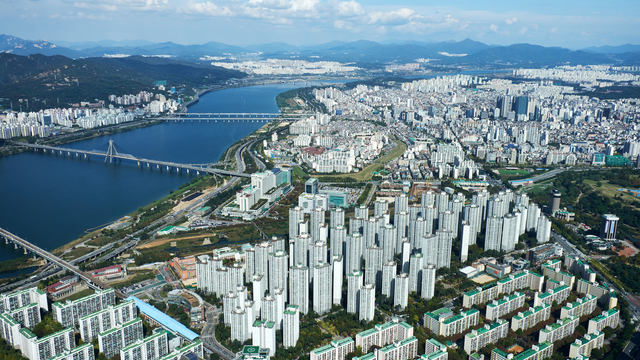
– AI-linked equities appear to be in a precarious bubble fueled by unsustainable spending, infrastructure constraints, uncertain returns, duplicative investment, and speculative valuations that could unravel quickly if investor funding retreats.
MorePortfolio Review –

– Andrew Foster explains that while the EM benchmark’s gain was largely propelled by AI-linked stocks, the Growth and Income Fund’s performance was more broadly diversified. He reports that the Fund reduced its exposure to South Korea as it leaned away from what he sees as an acute AI bubble. He lays out five signs of that bubble, but he remains optimistic about the broad-based EM earnings boom that is underway.
Portfolio ReviewPortfolio Review –

– Paul Espinosa reports that while the EM benchmark’s returns were narrowly concentrated in the technology sector, the Value Fund’s performance was derived from indirect AI exposure and non-tech holdings, such as financials. He discusses the concentration of risk in the benchmark and explains why the Fund is likely to deliver a return profile that differs from that of the benchmark.
Portfolio ReviewChina’s Asset Famine

– Too much private savings chasing too few attractive assets in China results in cycles of excess capacity and wasted capital.
China’s Asset Famine
China Gets Serious about SOE Profits

– Beijing’s reforms to the management of state sector profits could boost efficiency and reduce economic distortions.
China Gets Serious About SOE ProfitsWhat's Wrong with Chinese Consumption?

– A robust and expanding service sector driven by private firms is key to reviving Chinese consumption.
What's Wrong with Chinese ConsumptionChina’s Competitive Shock to Global Markets

– China’s growing disruption of global industries is deeply intertwined with the country’s state-led industrial policies.
China’s Competitive Shock to Global Markets
The Emerging Markets Reinvestment Cycle


– EM reinvestment intensity is at a 10-year high, but its two legs are of different ages: a decade-long climb in research and development, and a recent recovery in capital expenditures. That shift is closing the historic gap in the reinvestment mix between EM and DM, pointing to a more mature and competitively sophisticated EM corporate sector than existed 10 years ago.
MoreChina vs. U.S. Spending on Artificial Intelligence


– Financial and technological constraints have forced Chinese AI companies to focus on efficiency, cost, and practical applications. Chinese firms are betting that the returns to AI will come from near-term monetization and real-world use cases rather than the costly pursuit of frontier model breakthroughs, suggesting a different risk-reward profile than U.S. hyperscalers.
MoreTreasury Share Cancellations in South Korea


– South Korea's mandated treasury share cancellations remove a key tool that founding families have long used to entrench corporate control. Legislation is chipping away at the Korea Discount.
MoreNews and Commentary
Emerging Markets Briefing

– Seafarer addresses how to invest in the emerging markets for the next decade.
MoreMessage to Shareholders Regarding the Conflict in the Middle East
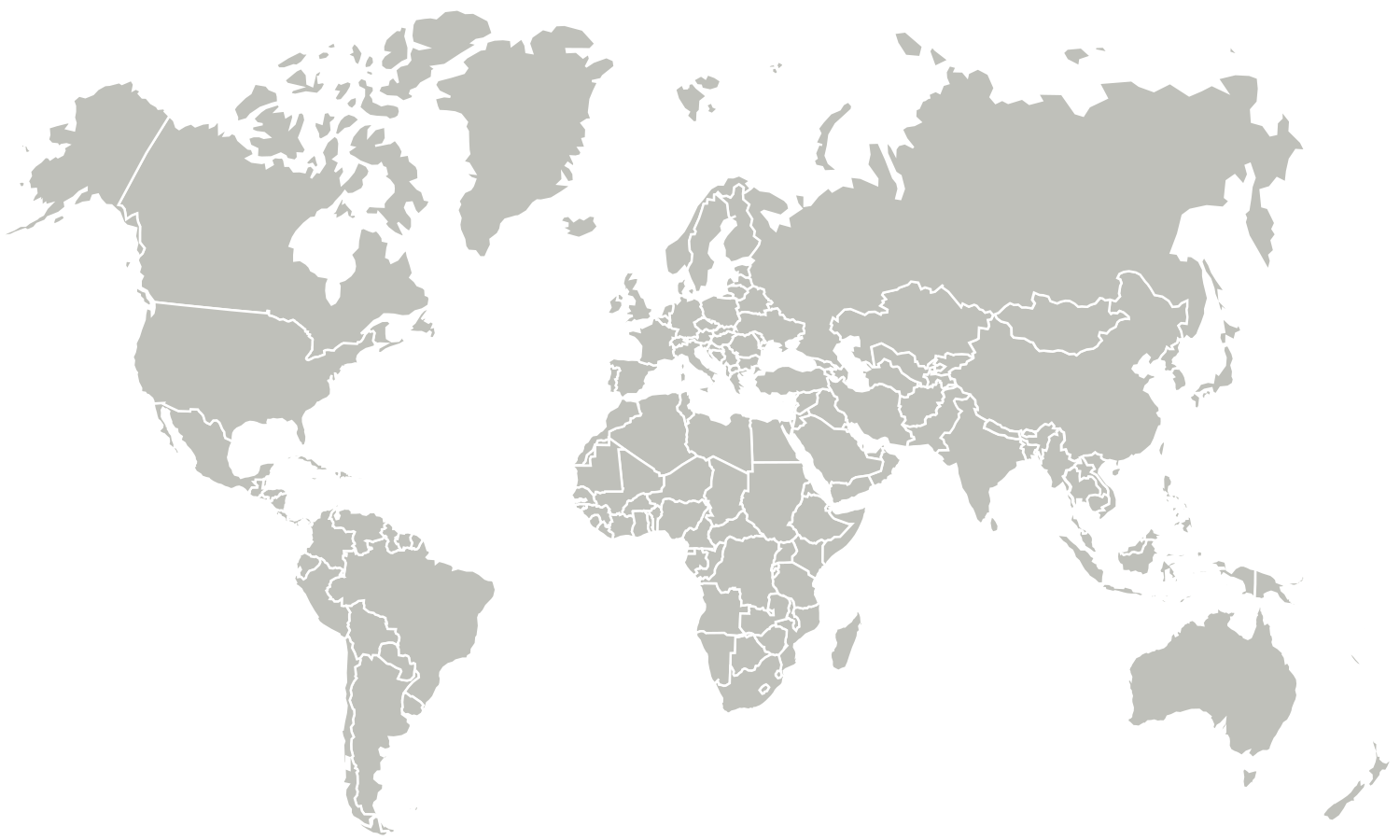
– The conflict in the Middle East is of material consequence for both investors generally and shareholders of the Seafarer Funds, and as such Seafarer is monitoring events closely. Seafarer provides a summary of the the first- and second-order exposures of the Seafarer Funds to the conflict.
MoreFund Resources
Field Notes
Explore Our MapSeoul: The Corporate Big Leagues

– The outsized influence of South Korea’s large family-run conglomerates in daily life was driven home at the ballpark.
MoreSeoul: Taxes, and the Corporate Value-up Program
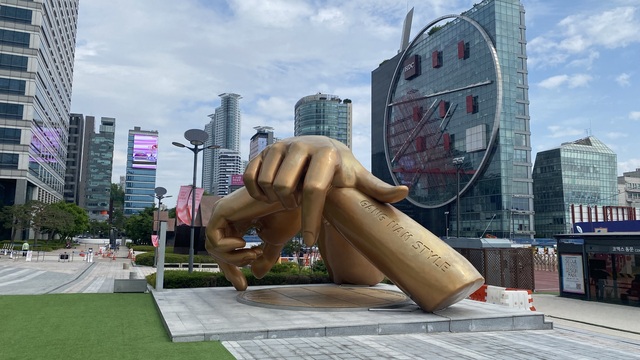
– A new national initiative in South Korea aims to improve the capital efficiency of listed corporates and bring about better treatment of minority shareholders.
MoreSão Paulo: Pharmacies on Every Corner

– Pharmacies in Brazil are becoming service hubs and occupying a more prominent role in the healthcare industry.
More![[Chrome]](/_layout/images/ua/chrome.png)
![[Firefox]](/_layout/images/ua/firefox.png)
![[Opera]](/_layout/images/ua/opera.png)
![[Microsoft Edge]](/_layout/images/ua/edge.png)